
Ligature-resistant and rescue door hardware
Behavioral Health & Anti-Ligature Door Hardware
Door hardware for psychiatric units, behavioral health suites and high-risk patient rooms. Choose by job: anti-ligature locksets, rescue (anti-barricade) stops, hospital tip hinges, anti-ligature gasketing, TORX security screws and ligature-resistant accessories, from Sargent, Corbin Russwin, McKinney, Hager, NGP, Bobrick and more.
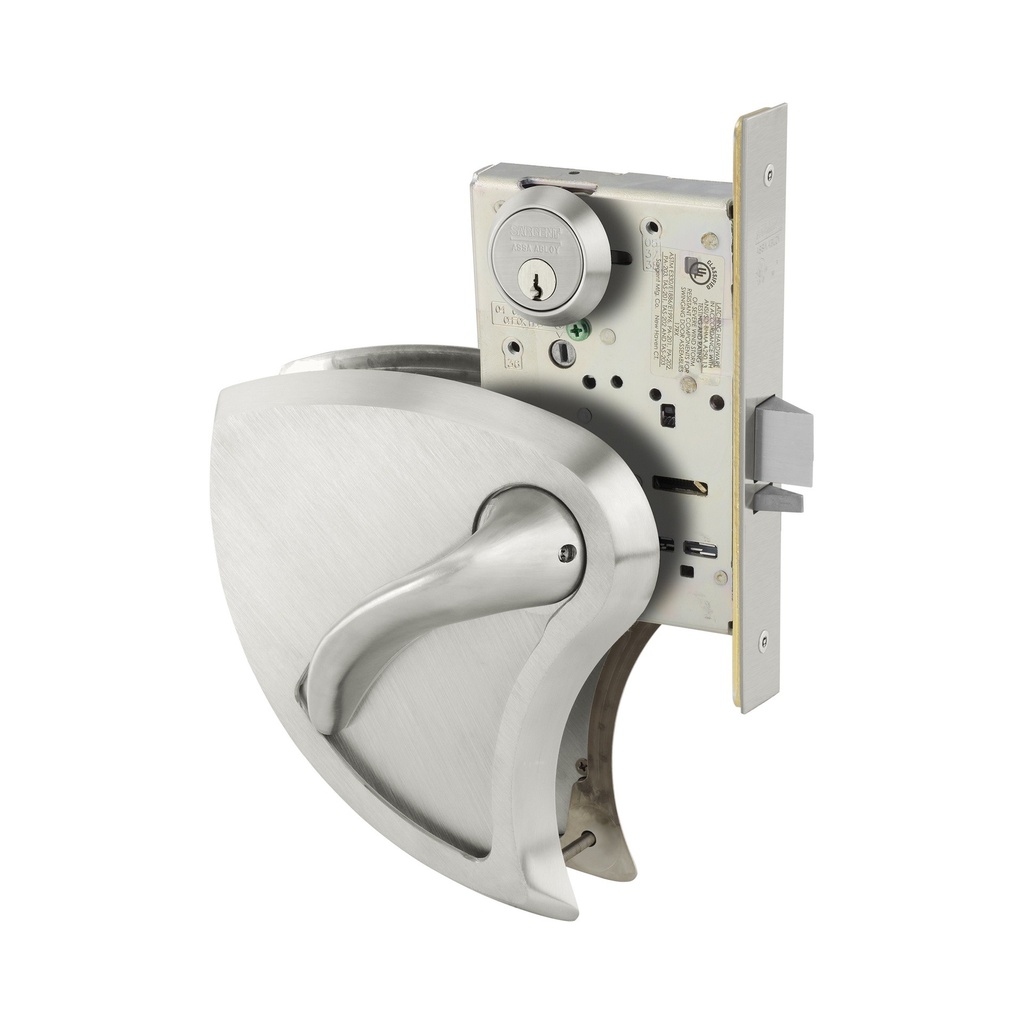
- Ligature-resistant trim
- ANSI/BHMA Grade 1 locks
- Anti-barricade rescue
- Tamper-resistant screws
Choose your hardware type
Each card opens that type's products.
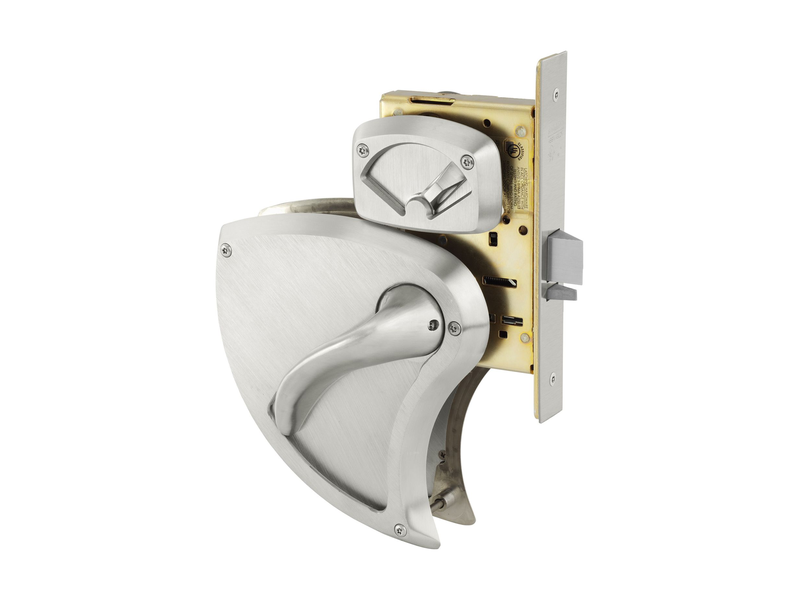
Anti-ligature locksets
Ligature-resistant lever trim
17 listings
- What it is: Grade 1 mortise and cylindrical locks with sloped, ligature-resistant trim that leaves nowhere to tie off.
- Use it for: Patient rooms, bathrooms, seclusion and treatment rooms, and staff areas in behavioral health units.
- How it mounts: Mortise models fit a mortise-prepped door. Cylindrical models fit a standard 2-1/8" bore.
Ratings
ANSI/BHMA Grade 1. Mortise locks are A156.13 and cylindrical locks are A156.2. Many are UL listed for fire doors. Check each listing.
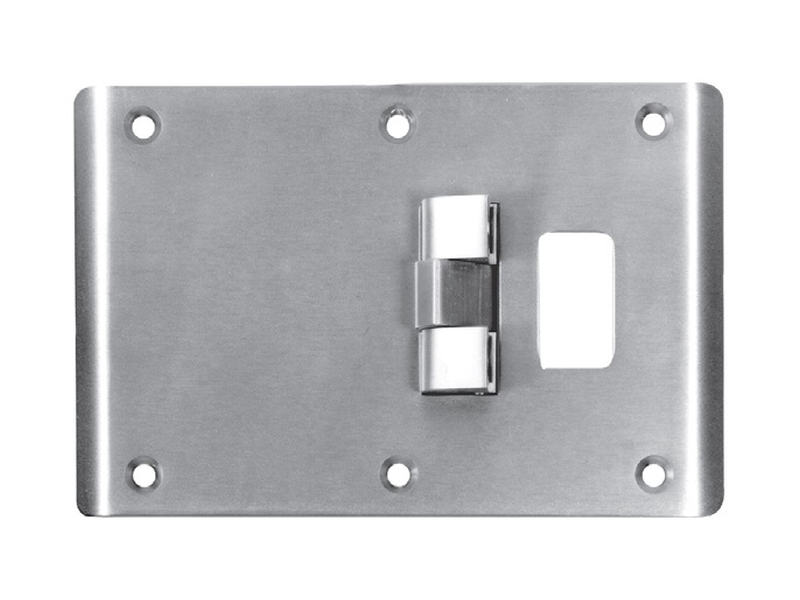
Rescue (anti-barricade) hardware
Emergency stops, strikes and pivots
3 listings
- What it is: Emergency stop releases, combination strike and stops, and center-hung pivots that let staff swing an in-swing door out.
- Use it for: Patient rooms and bathrooms where a patient could block the door from inside.
- How it mounts: The stop or strike mortises into the frame. The door hangs on center-hung pivots so it can swing both ways.
Ratings
Life-safety hardware, not a fire rating. The DS-6 stop is accepted by the New York State Office of Mental Health (OMH) for high-risk areas.
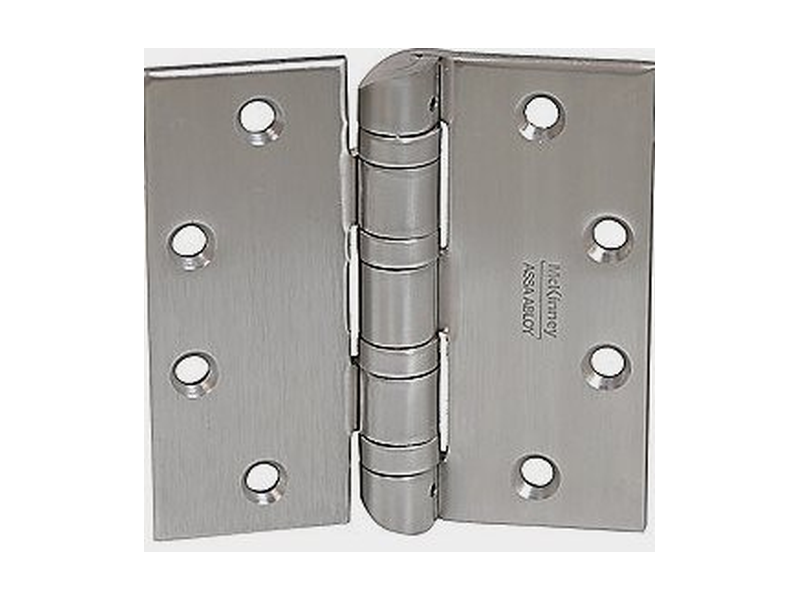
Hospital tip hinges
Sloped tips on both ends of the barrel
22 listings
- What it is: Full mortise butt hinges with sloped (hospital) tips so the top and bottom of the barrel can't hold a ligature.
- Use it for: Patient room, bathroom and corridor doors in hospitals and behavioral health units.
- How it mounts: Full mortise to the door edge and frame, in 4-1/2" and 5" heights. Electric and swing-clear models too.
Ratings
ANSI/BHMA A156.1. Ball bearing and concealed bearing models, many UL listed for fire doors. Check each listing.
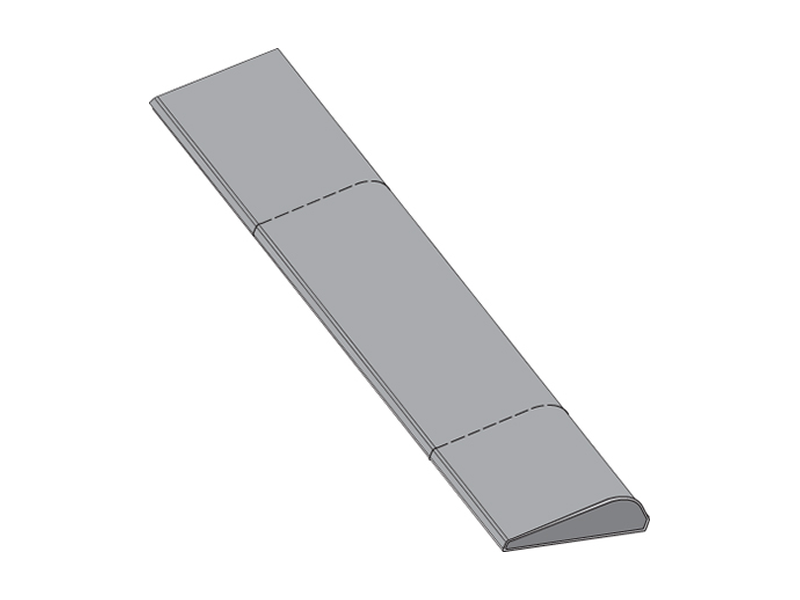
Anti-ligature gasketing
Smooth, low-profile smoke seals
1 listing
- What it is: Rounded silicone bulb seals for the frame stop that give no edge or gap to grip.
- Use it for: Fire-rated and smoke-barrier doors in behavioral health, psychiatric and detention spaces.
- How it mounts: Applies to the frame stop around the head and jambs. Sold in bulk rolls.
Ratings
UL listed fire and smoke seal for positive-pressure fire doors. Check the listing for the exact rating.
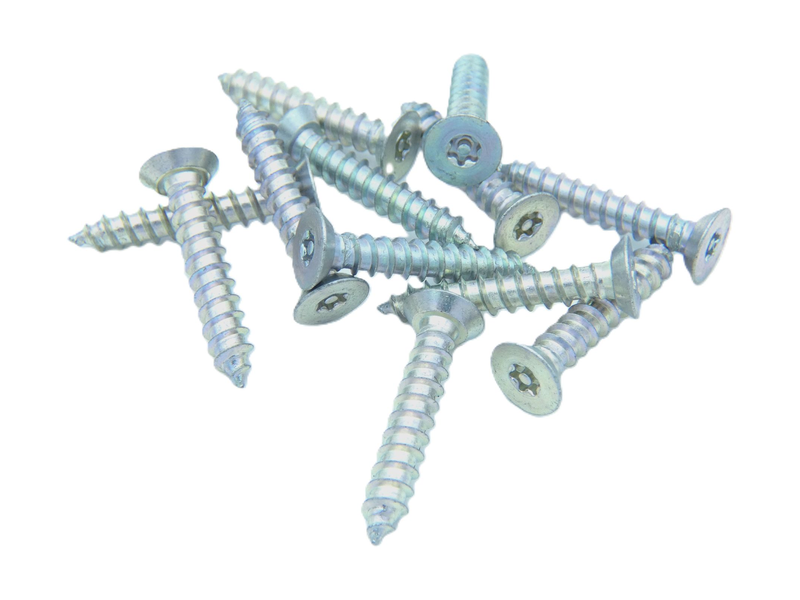
TORX security screws
Pin-in-head tamper-resistant fasteners
18 listings
- What it is: Six-lobe screws with a center pin that a standard driver can't turn, plus matching driver bits.
- Use it for: Hinges, strikes, trim and toilet partitions where hardware must not be removed.
- How it mounts: Replace the standard screws. Machine screws go into metal frames, wood screws into wood doors.
Ratings
Fasteners only. The hinge, lock or partition carries any rating.
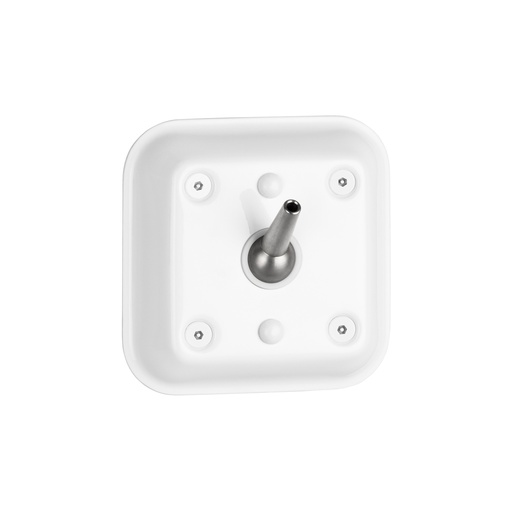
Ligature-resistant accessories
Restroom hooks, holders and shelves
53 listings
- What it is: Bobrick ligature-resistant coat hooks, towel and toilet paper holders and shelves. This category also lists every anti-ligature item in one place.
- Use it for: Patient bathrooms and rooms where a standard hook, holder or shelf could hold a ligature.
- How it mounts: Surface-mounted, semi-recessed or recessed in the wall, depending on the model. Check each listing.
Ratings
Ligature-resistant design. These are wall accessories, so no door fire or ANSI/BHMA rating applies.
Guides
Tap a guide to open it.
Compare the six types
| Type | Main job | How it mounts | Standard or rating | Where it goes |
|---|---|---|---|---|
| Anti-ligature locksets | Lock or latch with no tie-off point | Mortise or 2-1/8" bore | ANSI/BHMA Grade 1 | Patient rooms, bathrooms, staff doors |
| Rescue hardware | Lets staff open a barricaded in-swing door | Mortised into the frame, door on center-hung pivots | Life-safety (OMH accepted stop) | Patient rooms and bathrooms |
| Hospital tip hinges | Hang the door with sloped barrel tips | Full mortise | ANSI/BHMA A156.1 | Patient, bathroom and corridor doors |
| Anti-ligature gasketing | Smoke and fire seal with a smooth profile | On the frame stop | UL listed fire and smoke seal | Rated and smoke-barrier doors |
| TORX security screws | Stop hardware from being removed | Replace standard screws | Fastener only | Hinges, strikes, trim, partitions |
| Ligature-resistant accessories | Hooks, holders and shelves with no tie-off point | Surface, semi-recessed or recessed in the wall | Ligature-resistant design | Patient bathrooms and rooms |
Which one do I need?
- Door needs to lock or latch: start with an anti-ligature lockset. Pick mortise or cylindrical to match the door prep, then the function (privacy, office, storeroom, classroom, passage).
- A patient could block an in-swing door: add rescue hardware. A combination strike and stop or an emergency stop works with center-hung pivots so staff can swing the door out.
- Hinged door in a patient area: use hospital tip hinges in the door's size and weight.
- Rated or smoke-barrier door: seal it with anti-ligature gasketing.
- Any exposed screw a patient can reach: swap it for a TORX security screw and keep the driver bit with maintenance staff.
- Coat hooks, towel or toilet paper holders and shelves in patient areas: use ligature-resistant accessories.
Behavioral health terms in plain words
Ligature point: anything a cord, sheet or belt could be tied to or looped over. Behavioral health hardware is shaped to remove them.
Ligature-resistant: made to reduce ligature points. No hardware is ligature-proof, so the whole door is reviewed as a set.
Anti-barricade (rescue): hardware that lets staff open a door a patient is holding shut from inside.
Hospital tip: a sloped cap on the ends of a hinge barrel instead of a flat button.
Pin-in-head TORX: a six-lobe screw with a center pin. Only the matching security bit turns it.
Planning a behavioral health opening
- Start with the facility's risk level for each room. Patient rooms and bathrooms usually get the most protection.
- Match each part to the door: lock prep, hinge size and weight, frame type and fire rating.
- Put the full set on the opening: lock, hinges, rescue stop if needed, gasketing and security screws.
- On fire-rated doors, use parts listed for fire doors and keep the door self-closing and latching.
- Store security driver bits and keys with staff, not in patient areas.